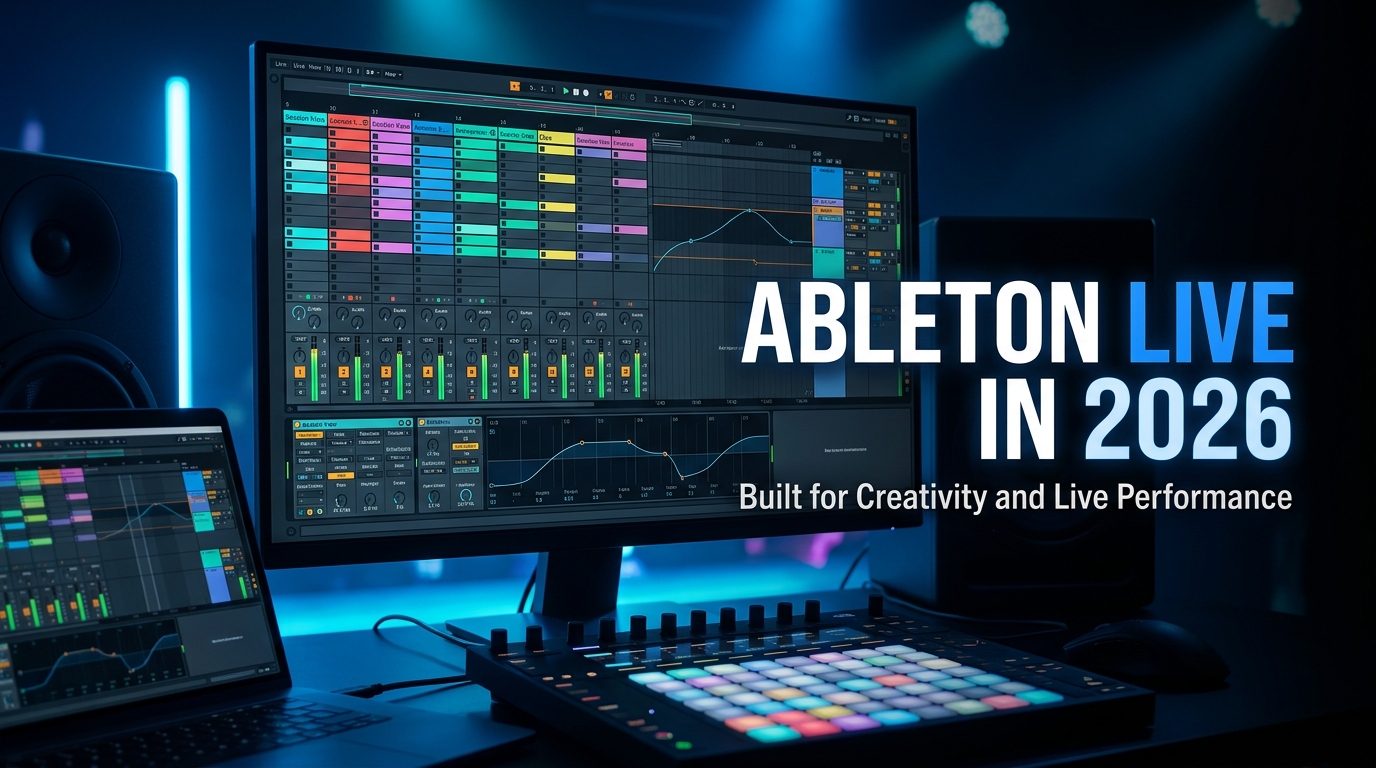
Ableton Live in 2026: The DAW Built for Creativity, Speed, and Live Performance
In modern music production, speed and creativity are essential. Producers need tools that allow them to experiment, build ideas quickly, and perform music in real time. This is where Ableton Live stands out.
Since its release, Ableton Live has been known for its innovative workflow and performance-oriented design. In 2026, it remains one of the most influential Digital Audio Workstations in the industry, widely used by electronic music producers, DJs, live performers, and sound designers.
Ableton Live is not just a production tool — it is a creative platform designed to support both studio work and live performance.
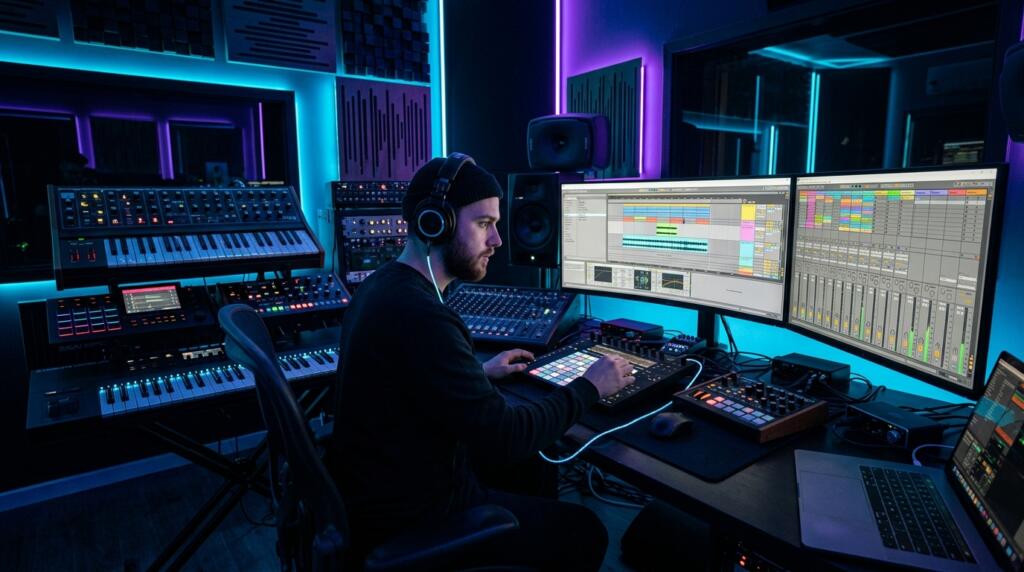
What Is Ableton Live?
Ableton Live is a Digital Audio Workstation developed specifically for music production and live performance. It allows producers to compose, record, arrange, edit, mix, and perform music within a flexible and intuitive environment.
Unlike traditional DAWs, Ableton Live focuses heavily on real-time creativity and experimentation.
Core capabilities include:
- Audio recording
- MIDI sequencing
- Live performance control
- Real-time effects processing
- Automation and modulation
- Sound design tools
- Sampling and looping
- Plugin integration
These features make Ableton Live a powerful solution for both studio producers and stage performers.
Why Ableton Live Remains So Popular in 2026
Ableton Live continues to be one of the most widely used DAWs in electronic music production. Its popularity is driven by its unique workflow, stability, and performance capabilities.
Key reasons producers choose Ableton Live include:
Fast creative workflow
Real-time performance tools
Flexible arrangement system
Reliable stability
Strong plugin support
Powerful built-in instruments
Excellent MIDI capabilities
These features allow producers to move quickly from idea to finished track without interrupting their creative flow.
Session View vs Arrangement View
One of the most defining features of Ableton Live is its dual workflow system.
Session View
Session View allows producers to trigger loops, clips, and samples in real time. This makes it ideal for experimentation, improvisation, and live performance.
Common uses include:
- Building song ideas quickly
- Testing musical arrangements
- Live DJ sets
- Loop-based production
- Performance workflows
Session View encourages creativity and exploration.
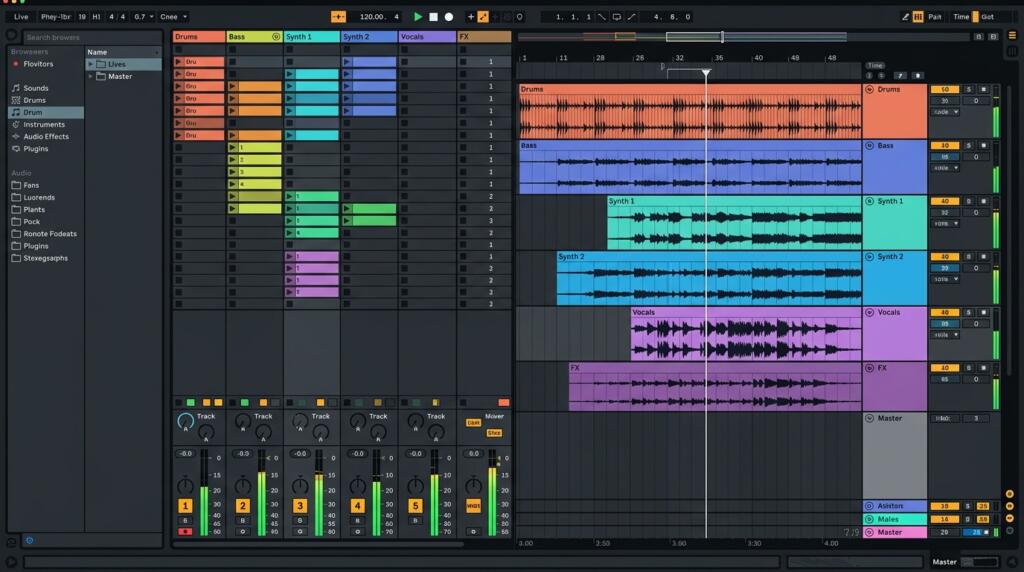
Arrangement View
Arrangement View is used to organize clips into a complete song structure. It provides a traditional timeline for detailed editing and final production.
Typical tasks include:
- Song arrangement
- Automation editing
- Mixing
- Final production
- Exporting tracks
Together, these two views create a flexible workflow that supports both creativity and precision.
Ableton Live and Live Performance
One of the biggest reasons producers choose Ableton Live is its performance capability.
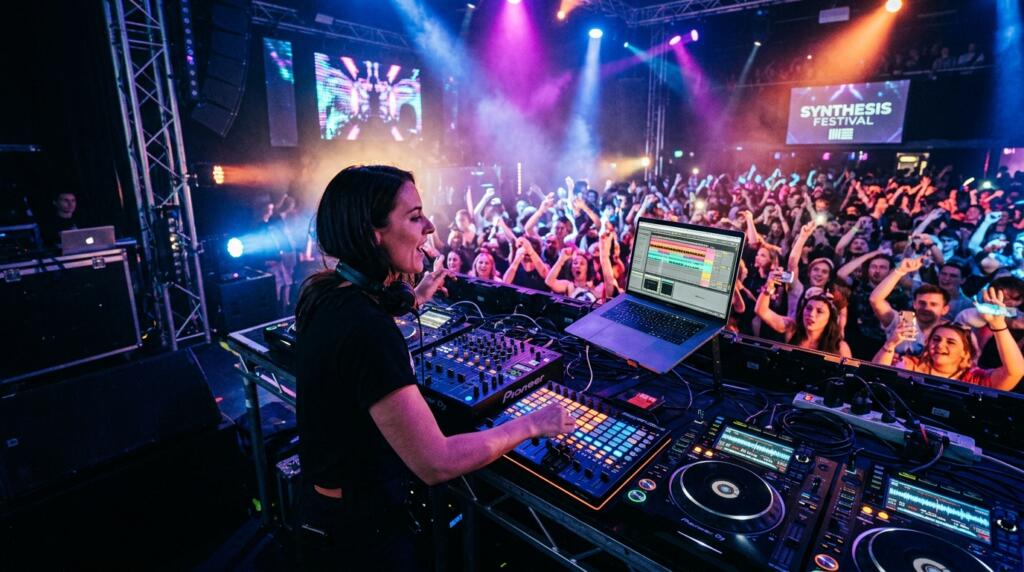
Unlike most DAWs, Ableton Live is designed to be used on stage.
It allows performers to:
Trigger loops in real time
Control effects during performances
Sync with external hardware
Launch samples instantly
Adjust tempo dynamically
Perform full live sets
This makes it a standard tool for DJs and electronic artists performing in clubs, festivals, and concerts.
Built-In Instruments and Effects
Ableton Live includes a wide range of professional instruments and audio effects that allow producers to create complete tracks without external plugins.
Common built-in tools include:
- Synthesizers
- Drum racks
- Samplers
- Audio effects
- MIDI effects
- Reverb and delay processors
- Compression and EQ tools
- Limiting and mastering tools
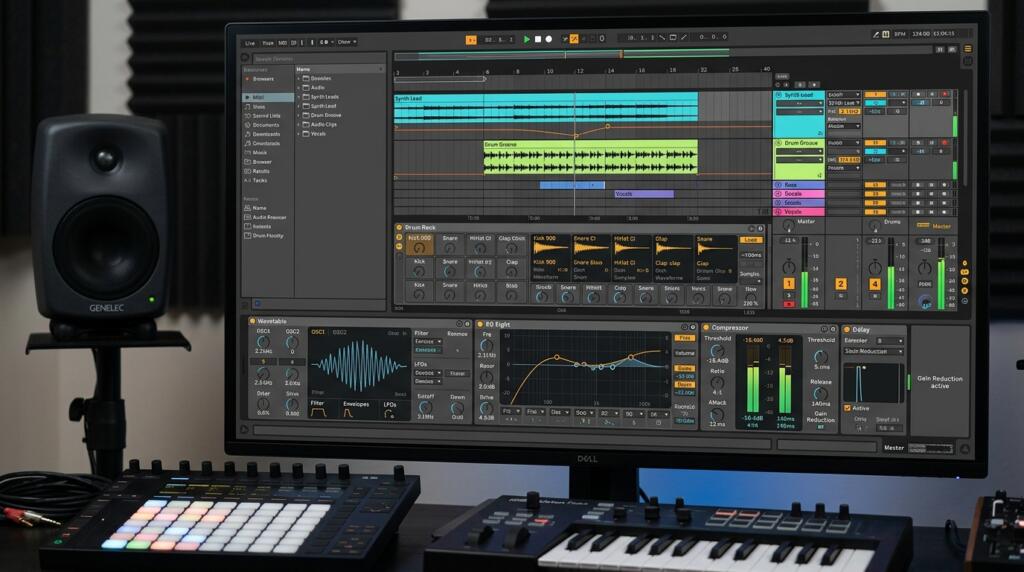
These tools are optimized for performance and stability.
For many producers, Ableton Live provides everything needed to produce, mix, and perform music in one environment.
Warp Technology and Time Stretching
Ableton Live is widely known for its advanced audio warping system.
Warping allows producers to change the tempo of audio without affecting pitch. This feature is essential for modern music production and live performance.
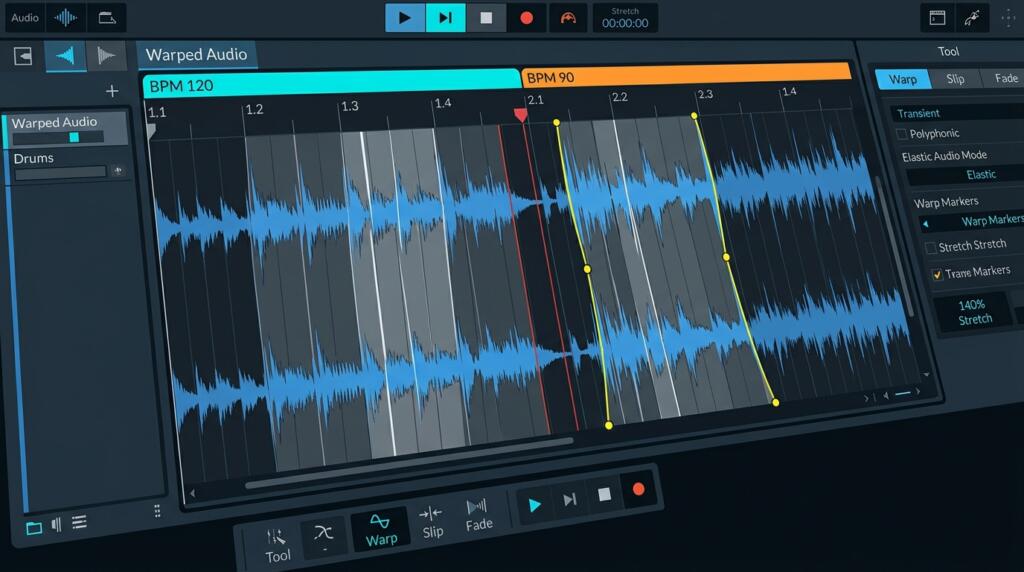
Warp technology is commonly used for:
- Beat matching
- Remixing
- Sample manipulation
- Vocal editing
- DJ transitions
- Tempo synchronization
This capability makes Ableton Live one of the most flexible tools for working with audio.
Ableton Live for Electronic Music Production
Ableton Live is especially popular in electronic music genres that rely on loops, samples, and rhythmic patterns.
Common genres produced in Ableton Live include:
- House
- Tech House
- Techno
- EDM
- Deep House
- Afro House
- Drum and Bass
- Minimal
- Progressive House
- Experimental electronic music
Its workflow is designed to support fast iteration and creative experimentation.
Automation and Modulation Features
Automation is essential for creating dynamic and evolving sounds. Ableton Live provides powerful tools for controlling parameters over time.
Key automation capabilities include:
- Real-time automation recording
- Parameter modulation
- Envelope shaping
- Clip automation
- Device automation
- Performance automation
These tools allow producers to create movement, energy, and variation in their tracks.
Performance and Stability Improvements in Recent Versions
Recent updates to Ableton Live have focused heavily on performance optimization and system efficiency.
Modern versions include improvements such as:
Faster project loading
Better CPU performance
Improved memory management
Reduced latency
More stable plugin handling
Enhanced multi-core processing
These updates allow producers to run complex sessions without interruptions.
Why Ableton Live Is Ideal for Modern Producers
Modern producers need tools that support creativity, speed, and flexibility. Ableton Live is designed to meet these needs.
It is particularly useful for:
Electronic music producers
DJs
Live performers
Sound designers
Content creators
Remix artists
Music educators
Its intuitive workflow allows users to focus on creativity rather than technical limitations.
The Future of Ableton Live
Ableton Live continues to evolve with advancements in music production technology.
Future updates are expected to focus on:
AI-assisted production tools
Improved real-time performance features
Enhanced collaboration tools
Cloud-based workflows
Advanced automation systems
Performance optimization
These innovations will continue to push the boundaries of modern music production.
Conclusion
Ableton Live remains one of the most innovative and powerful Digital Audio Workstations available in 2026.
Its unique workflow, performance capabilities, and creative flexibility make it a preferred choice for producers who want to create music quickly and perform it confidently on stage.
For modern electronic music producers and live performers, Ableton Live continues to be one of the most reliable and inspiring tools in the industry.