VST Plugins in 2026: How High-Performance Tools Are Transforming Modern Music Production
Music production continues to evolve at an incredible pace. In 2026, producers have access to more powerful tools than ever before, and VST plugins are at the center of this transformation. From advanced synthesizers to intelligent mixing assistants, modern plugins are redefining what it means to produce professional music efficiently.
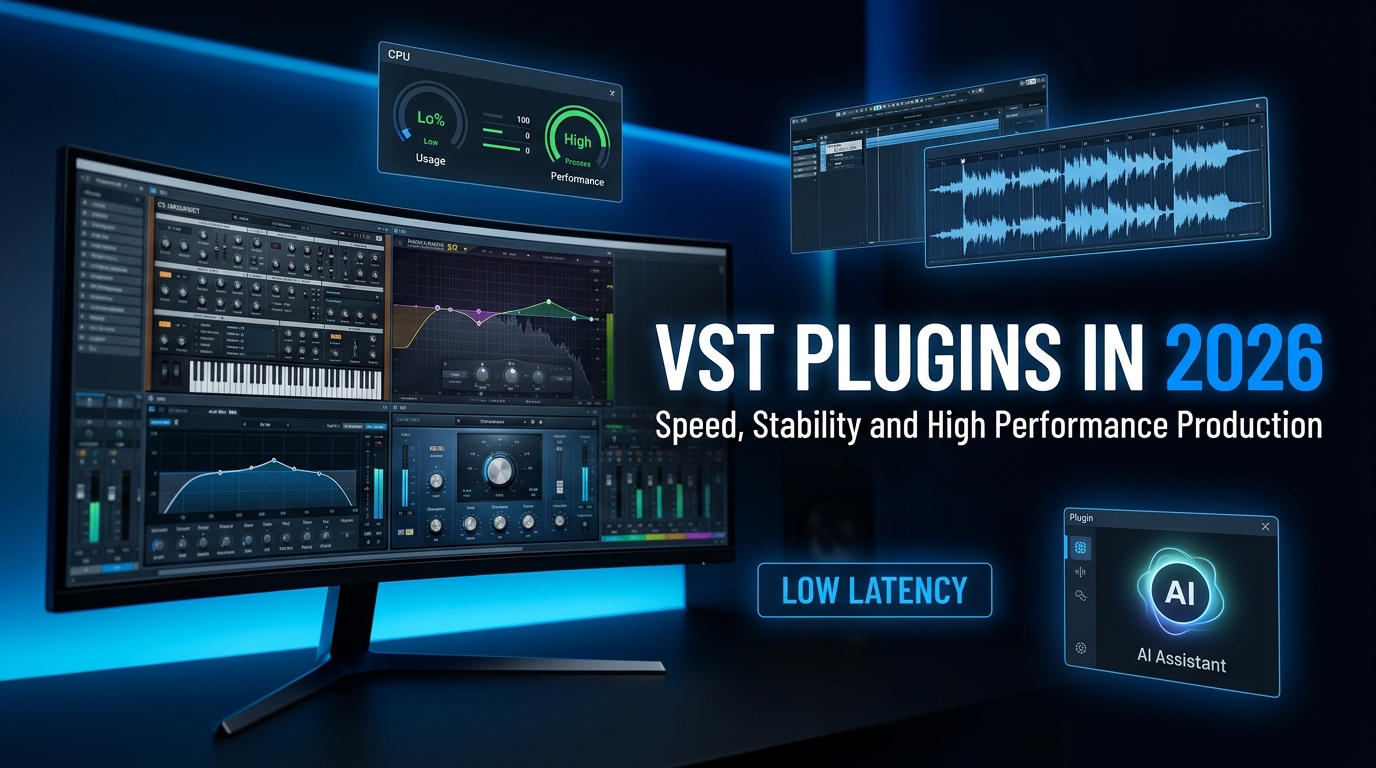
Today’s producers are not just looking for great sound — they are looking for speed, stability, and performance. High-performance VST plugins allow musicians to create complex projects, handle large sessions, and maintain smooth workflows without compromising creativity.
What Are VST Plugins?
VST (Virtual Studio Technology) plugins are software tools used inside Digital Audio Workstations (DAWs) to create, process, and enhance audio. They can function as virtual instruments, effects processors, or utility tools that improve production workflows.
Common types of VST plugins include:
- Synthesizers
- Samplers
- Equalizers (EQ)
- Compressors
- Reverbs and delays
- Limiters and mastering tools
- Pitch correction tools
- Audio analyzers
- MIDI tools
These plugins allow producers to simulate professional studio equipment directly inside their computers, eliminating the need for expensive hardware.
Why Performance Matters More Than Ever in 2026
Modern music projects are becoming more complex. Producers are working with:
- Larger track counts
- High-resolution audio files
- Advanced sound design layers
- Real-time effects processing
- Heavy automation
- Multiple virtual instruments
As a result, plugin performance has become a critical factor in professional production environments.
A high-performance plugin ensures:
- Low CPU usage
- Fast loading times
- Stable sessions
- Reduced latency
- Reliable real-time playback
- Efficient rendering and exporting
These factors directly affect productivity and the ability to deliver projects on time.
The Rise of Optimized and Lightweight VST Plugins
In recent years, developers have focused heavily on optimization. Modern plugins are designed to deliver powerful sound engines while consuming fewer system resources.
This trend is especially important for:
- Laptop producers
- Home studio users
- Live performers
- Mobile production setups
- Streaming and content creators
Lightweight plugins allow producers to run more instruments and effects simultaneously without system slowdowns.
AI-Powered VST Plugins Are Changing the Game
Artificial intelligence is becoming one of the biggest innovations in music production. In 2026, many plugins use machine learning to automate complex tasks and improve sound quality.
Examples of AI-driven features include:
- Automatic mixing suggestions
- Intelligent mastering processing
- Real-time vocal tuning
- Dynamic noise reduction
- Smart EQ adjustments
- Adaptive compression
These tools help producers achieve professional results faster, even with limited technical experience.
Workflow Speed and Creative Flow
One of the biggest advantages of modern VST plugins is workflow efficiency. When tools respond quickly and behave predictably, producers can stay focused on creativity instead of troubleshooting technical issues.
Fast workflows allow producers to:
- Finish songs more quickly
- Experiment with new ideas
- Reduce production fatigue
- Maintain creative momentum
- Increase output frequency
For professional producers, workflow speed directly impacts income and productivity.
The Importance of Stability in Professional Projects
Crashes and performance issues can cost hours of work. Stability is one of the most important qualities in a professional production environment.
Reliable plugins provide:
- Consistent behavior across sessions
- Predictable CPU usage
- Compatibility with major DAWs
- Smooth updates and version control
- Safe project recovery
Stable tools build trust and allow producers to work confidently on important releases and client projects.
High-Performance Plugins for Modern Genres
Different music genres place different demands on production systems. In 2026, producers working in genres like:
- House
- Deep House
- EDM
- Trap
- Pop
- Afro House
- Tech House
- R&B
often rely on multiple synthesizers, layered vocals, and complex effects chains.
High-performance plugins make it possible to manage these demanding sessions without interruptions.
Hardware vs Software: Why VST Plugins Continue to Win
Hardware equipment still plays a role in professional studios, but software plugins have become the preferred choice for most producers.
Reasons include:
- Lower cost
- Portability
- Instant recall of settings
- Easy updates
- Flexible routing
- Unlimited instances
- Integration with DAWs
For modern producers, software-based workflows offer unmatched convenience and scalability.
The Future of VST Plugins Beyond 2026
The next generation of plugins will focus on three main areas:
Performance optimization
Artificial intelligence
Cloud-based collaboration
Future developments may include:
- Real-time cloud processing
- Shared plugin environments
- AI-assisted sound design
- Automatic mix balancing
- Remote project synchronization
These innovations will continue to reduce technical barriers and allow producers to focus entirely on creativity.
Conclusion
VST plugins are no longer just tools — they are the foundation of modern music production.
In 2026, performance, stability, and efficiency are just as important as sound quality. Producers who use optimized, high-performance plugins can work faster, create more complex music, and maintain reliable workflows.
As technology continues to evolve, VST plugins will remain one of the most important elements in professional music production, enabling producers around the world to turn ideas into finished tracks with speed and precision.